
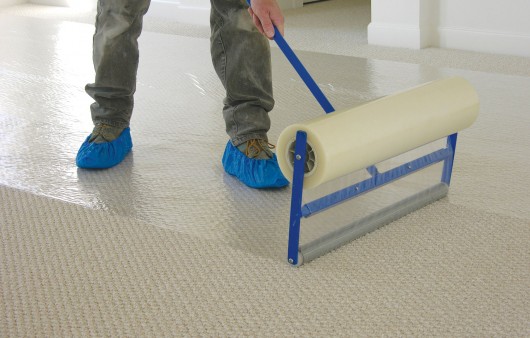
How Carpet Protection Can Help Extend Commercial Carpet Life
Commercial carpets experience daily wear from employees, customers, visitors, and foot traffic. Dirt, dust, spills, and moisture can gradually affect carpet appearance and condition. A comprehensive commercial carpet maintenance program, including appropriate carpet protection, can help businesses manage everyday wear and maintain their flooring.
Carpet protection is not a replacement for routine cleaning. Instead, it can complement regular vacuuming, spot cleaning, inspections, and professional carpet cleaning.
What Is Commercial Carpet Protection?
Carpet protection generally involves applying a suitable protective treatment to carpet fibers. Depending on the product and carpet type, these treatments can help reduce the absorption of certain spills and make some stains easier to address.
The appropriate treatment should be selected based on the carpet manufacturer’s recommendations and the specific carpet material.
1. Helps Manage Spills and Stains
Commercial facilities can experience accidental spills throughout the day. In high-traffic areas such as reception spaces, hallways, offices, and waiting rooms, quick response is important.
An appropriate carpet protector may provide additional time to address some spills before they penetrate deeply into the carpet fibers.
However, spills should still be handled promptly according to the facility’s cleaning procedures.
2. Supports Easier Spot Cleaning
Carpet protection can make certain spills and soils easier to remove during routine spot cleaning.
A protected carpet does not mean stains will never occur. Cleaning products should still be appropriate for the carpet type and used according to manufacturer instructions.
3. Helps Maintain Carpet Appearance
Heavy foot traffic can cause carpets to look worn and soiled over time. Regular vacuuming combined with appropriate carpet protection and periodic professional cleaning can help maintain a more consistent appearance.
High-traffic areas may require additional maintenance compared with low-use spaces.
4. Supports a Preventive Carpet-Care Program
Effective carpet maintenance should be proactive rather than relying only on occasional deep cleaning.
A preventive program may include:
- Routine vacuuming
- Prompt spot cleaning
- Entrance-mat maintenance
- Regular carpet inspections
- Carpet protection when appropriate
- Periodic professional carpet cleaning
This approach can help businesses manage carpet maintenance more consistently.
5. Focus on High-Traffic Areas
Not every area of a commercial building receives the same amount of traffic.
Carpet protection may be particularly useful in areas such as:
- Main entrances
- Reception areas
- Hallways
- Waiting rooms
- Conference rooms
- Common areas
A facility assessment can help determine which areas may benefit most from additional carpet maintenance.
6. Maintain Entrance Mats
A significant amount of outdoor dirt and moisture can enter through building entrances. Properly maintained entrance mats can help reduce the amount of soil reaching carpeted areas.
Regular mat cleaning should be part of the overall carpet-care program.
7. Combine Protection With Regular Vacuuming
Carpet protection works best when combined with routine cleaning.
Vacuuming helps remove loose dirt and debris before it becomes embedded in carpet fibers. High-traffic areas may require more frequent vacuuming.
The exact schedule should be based on facility traffic and carpet conditions.
8. Schedule Professional Carpet Cleaning
Professional commercial carpet cleaning can provide deeper maintenance beyond routine vacuuming.
Cleaning frequency depends on:
- Carpet type
- Foot traffic
- Soil levels
- Facility usage
- Carpet condition
- Business operating hours
Professional cleaning can also provide an opportunity to evaluate whether additional carpet protection is appropriate.
9. Follow Carpet Manufacturer Recommendations
Before applying a protective treatment, businesses should confirm that the product and application method are appropriate for the carpet.
Consider:
- Carpet fiber
- Carpet construction
- Manufacturer recommendations
- Existing warranties
- Previous treatments
Using unsuitable products may affect carpet performance or appearance.
10. Consider the Type of Commercial Facility
Carpet maintenance requirements vary by property type.
For example, an office may have different carpet-care needs than:
- A healthcare facility
- A school
- A retail store
- A corporate building
- A professional office
A customized maintenance plan should account for the facility’s traffic patterns and specific requirements.
11. Respond to Spills Promptly
Even protected carpets require prompt attention when spills occur. Delayed cleaning can allow substances to penetrate deeper into the carpet.
Employees should know how to report spills, while cleaning staff should follow approved procedures for spot treatment.
12. Schedule Regular Carpet Inspections
Regular inspections help identify areas that require additional maintenance.
Look for:
- Heavy soil
- Stains
- Worn traffic lanes
- Damaged carpet
- Loose edges
- Persistent odors
- Areas requiring additional cleaning
Inspection results can help determine whether the maintenance schedule needs adjustment.
Professional Commercial Carpet Care in Houston, TX
Carpet protection can be one component of a broader commercial carpet maintenance program. Routine cleaning, professional carpet care, entrance-mat maintenance, and prompt spill response remain important.
Corporate Clean LLC provides professional commercial carpet cleaning and janitorial services in Houston, TX and surrounding areas.
Our services include:
- Commercial Cleaning
- Office Cleaning
- Industrial Cleaning
- Janitorial Services
- Floor Care & Maintenance
- Floor Stripping and Waxing
- Carpet Cleaning
- Healthcare Cleaning
- School Cleaning
We create customized carpet-care solutions based on carpet type, facility size, traffic levels, operating hours, and specific maintenance requirements.
Frequently Asked Questions
Can carpet protection extend the life of commercial carpet?
Carpet protection may help manage spills and staining, which can support overall carpet maintenance. However, carpet lifespan also depends on carpet quality, traffic, vacuuming, cleaning frequency, and overall care.
How often should commercial carpets be professionally cleaned?
There is no universal schedule. High-traffic facilities generally need more frequent professional cleaning than low-traffic areas. The schedule should be based on carpet condition and facility usage.
Is carpet protection a substitute for professional carpet cleaning?
No. Carpet protection complements regular vacuuming, spot cleaning, and professional carpet cleaning. It does not eliminate the need for routine maintenance.
Should every commercial carpet receive protective treatment?
Not necessarily. The suitability of carpet protection depends on the carpet material, manufacturer recommendations, facility usage, and maintenance goals.
What is the best way to protect commercial carpet?
A combination of regular vacuuming, entrance-mat maintenance, prompt spill response, appropriate professional cleaning, routine inspections, and suitable carpet protection can provide a comprehensive maintenance approach.
Final Thoughts
Carpet protection can help support commercial carpet maintenance by making some spills and soils easier to manage. However, the best results come from combining protection with regular vacuuming, prompt spot cleaning, professional carpet cleaning, and routine inspections.
If your business needs professional commercial carpet cleaning in Houston, TX, Corporate Clean LLC can develop a customized carpet-care plan designed around your facility’s specific needs.