
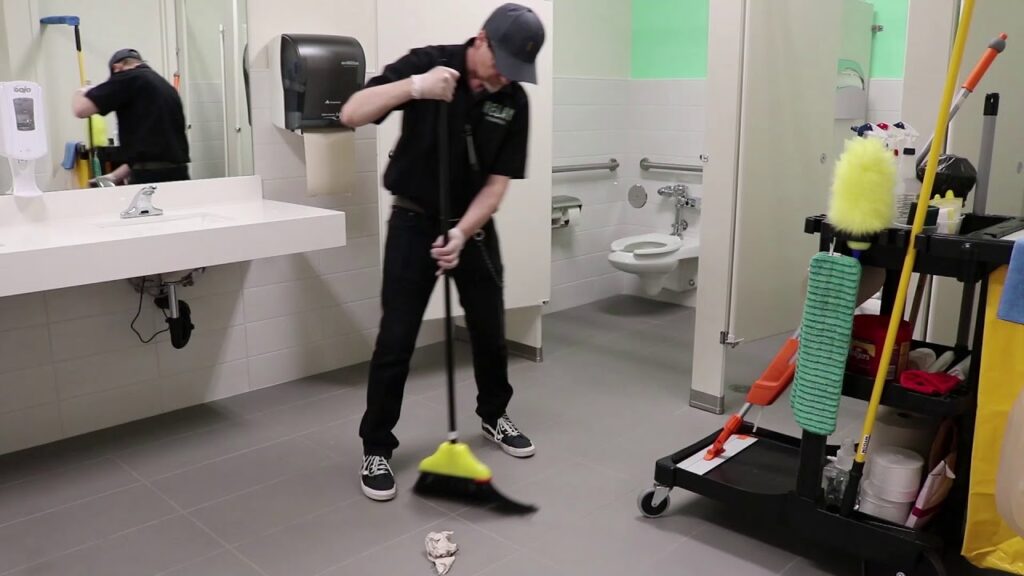
Best Practices for Healthcare Facility Restroom Cleaning
Healthcare facility restrooms require consistent and carefully planned cleaning because they may be used by patients, visitors, healthcare workers, and other staff throughout the day. A structured healthcare restroom cleaning program can help maintain a clean, comfortable, and well-maintained environment.
Unlike ordinary commercial restrooms, healthcare facilities may have specific cleaning protocols and infection-prevention requirements. Cleaning procedures should always follow the facility’s policies, applicable regulations, product-label instructions, and manufacturer recommendations.
1. Create a Consistent Cleaning Schedule
Restroom cleaning frequency should reflect traffic and facility requirements. High-use restrooms may require multiple cleaning and inspection checks throughout the day.
A schedule can include:
- Routine cleaning
- Restroom inspections
- Supply checks
- Floor cleaning
- Waste removal
- Periodic detailed cleaning
2. Clean Toilets and Urinals Thoroughly
Toilets and urinals should be cleaned according to established healthcare facility procedures. Appropriate cleaning products should be selected for the surfaces being cleaned and used according to label directions.
Cleaning staff should pay attention to accessible exterior surfaces and surrounding floor areas.
3. Clean Sinks, Faucets, and Countertops
Sinks and countertops can collect water, soap residue, and everyday dirt.
Routine cleaning should address:
- Sink basins
- Faucets
- Countertops
- Soap dispensers
- Paper towel dispensers
- Other accessible restroom surfaces
Where disinfection is required, use an appropriate EPA-registered disinfectant according to its label and the facility’s procedures.
4. Pay Attention to High-Touch Surfaces
Healthcare restrooms contain numerous frequently touched surfaces.
These may include:
- Door handles
- Faucet handles
- Stall handles
- Light switches
- Grab bars
- Dispensers
- Other commonly touched surfaces
Routine cleaning removes soil and residue. When disinfection is required, follow the healthcare facility’s established protocol and product instructions.
5. Maintain Clean Restroom Floors
Restroom floors can collect moisture, dirt, and debris throughout the day.
Routine floor maintenance may include:
- Sweeping
- Mopping
- Spot cleaning
- Prompt spill response
- Regular inspections
Cleaning methods should be appropriate for the flooring material.
6. Remove Waste Regularly
Waste containers should be monitored and emptied according to facility procedures. Regular waste removal helps maintain restroom appearance and supports routine facility maintenance.
Healthcare facilities should follow their established policies for handling and disposing of waste.
7. Keep Restrooms Properly Stocked
Cleaning staff should check essential supplies during restroom inspections.
Depending on the facility, this may include:
- Hand soap
- Toilet paper
- Paper towels
- Approved hygiene supplies
- Other facility-provided products
Keeping supplies available contributes to a better experience for patients, visitors, and staff.
8. Address Spills and Visible Soil Promptly
Spills, visible soil, and other cleaning concerns should be addressed promptly according to facility procedures. Cleaning staff should use appropriate PPE and cleaning products when required by the facility’s policies.
9. Follow Healthcare Cleaning Protocols
Healthcare environments can have specific requirements for cleaning and disinfection. Staff should understand the facility’s procedures, product contact times, PPE requirements, and cleaning sequence.
Cleaning products should never be mixed unless specifically permitted by the manufacturer.
10. Use a Cleaning-to-Dirty Workflow
A consistent cleaning sequence can help organize restroom cleaning. Staff should follow the healthcare facility’s approved workflow and avoid cross-contamination between surfaces and areas.
Cleaning tools should be handled, cleaned, and replaced according to established procedures.
11. Inspect Restrooms Throughout the Day
Regular inspections can help identify cleaning or maintenance issues before they become more noticeable.
Check for:
- Visible soil
- Wet floors
- Empty dispensers
- Full waste containers
- Water around sinks
- Odors
- Damaged fixtures
- Other facility concerns
Any maintenance issue should be reported through the appropriate facility process.
12. Schedule Periodic Professional Floor Care
Healthcare restrooms may benefit from periodic professional floor maintenance in addition to routine cleaning.
Depending on the flooring material, services may include machine cleaning, floor maintenance, and other appropriate professional floor-care services.
13. Train Cleaning Staff
Consistent healthcare restroom cleaning depends on properly trained personnel. Staff should understand the facility’s cleaning procedures, chemical safety, PPE requirements, equipment use, and documentation processes.
Training should be updated when facility procedures or products change.
Professional Healthcare Cleaning Services in Houston, TX
Healthcare restroom cleaning requires consistency, attention to detail, and adherence to facility-specific procedures.
Corporate Clean LLC provides professional healthcare and commercial cleaning services in Houston, TX and surrounding areas. Our customized cleaning programs can support medical offices, clinics, healthcare facilities, and other commercial properties.
Our services include:
- Healthcare Cleaning
- Commercial Cleaning
- Office Cleaning
- Janitorial Services
- Floor Care & Maintenance
- Carpet Cleaning
- Floor Stripping and Waxing
- School Cleaning
We develop cleaning schedules based on facility size, traffic, operating hours, flooring, and specific cleaning requirements.
Frequently Asked Questions
How often should healthcare facility restrooms be cleaned?
The appropriate frequency depends on restroom traffic, facility type, operating hours, and established healthcare cleaning protocols. High-use restrooms may require multiple inspections and cleaning services throughout the day.
What is included in healthcare restroom cleaning?
Services may include cleaning toilets, urinals, sinks, countertops, floors, fixtures, waste containers, and appropriate high-touch surfaces, along with restroom supply checks.
Is restroom disinfection the same as cleaning?
No. Cleaning removes dirt and organic material from surfaces, while disinfection uses an appropriate disinfectant to reduce microorganisms according to the product label and facility protocol.
Should healthcare cleaning staff receive specialized training?
Yes. Staff should be trained on the healthcare facility’s cleaning procedures, product use, PPE requirements, equipment, and applicable safety protocols.
Final Thoughts
Following best practices for healthcare facility restroom cleaning means combining consistent cleaning schedules, appropriate products, trained staff, regular inspections, supply checks, and facility-specific protocols. A customized program can help healthcare facilities maintain clean and well-maintained restroom environments.
For professional healthcare cleaning services in Houston, TX, Corporate Clean LLC can develop a customized cleaning solution based on your facility’s needs and operating schedule.