
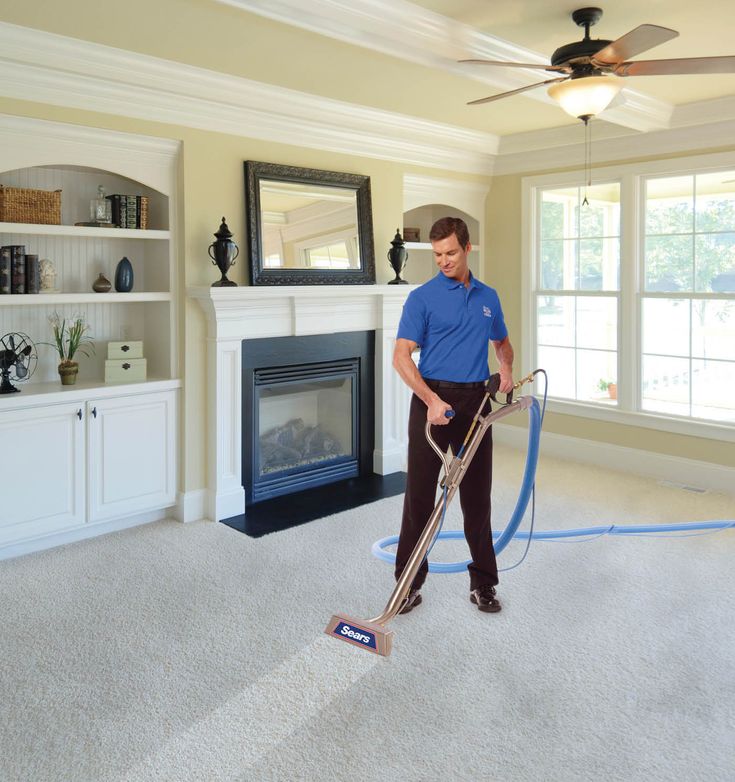
How to Address Carpet Odors in Commercial Buildings
Carpet can contribute to a comfortable and professional commercial environment, but odors may develop when dirt, spills, moisture, or other contaminants accumulate in carpet fibers or the underlying materials. Offices, medical facilities, schools, retail spaces, and other commercial buildings can all experience carpet odor issues.
A consistent commercial carpet cleaning and maintenance program can help businesses identify potential odor sources and keep carpeted areas properly maintained.
1. Identify the Source of the Odor
The first step is determining where the odor is coming from. Possible sources may include:
- Food and beverage spills
- Moisture
- Pet-related contamination in certain facilities
- Accumulated dirt
- Organic material
- Damp carpet or padding
- Nearby drains or plumbing issues
- HVAC or ventilation concerns
Cleaning the carpet without identifying an underlying moisture or building issue may not resolve a persistent odor.
2. Respond to Spills Quickly
Spills should be addressed as soon as practical. Liquids that remain in carpet can contribute to staining and unpleasant odors.
Cleaning staff should follow the facility’s approved spot-cleaning procedures and use products appropriate for the carpet type.
3. Vacuum Regularly
Routine vacuuming is one of the most important parts of commercial carpet maintenance. It helps remove loose dirt, dust, debris, and other particles before they become embedded in carpet fibers.
High-traffic areas such as entrances, hallways, reception areas, and waiting rooms may require more frequent vacuuming.
4. Maintain Entrance Mats
Outdoor dirt and moisture can be carried into commercial buildings through entrances. Properly maintained entrance mats can help reduce the amount of soil and moisture reaching carpeted areas.
Mats should be vacuumed and cleaned regularly according to their material and facility requirements.
5. Schedule Professional Carpet Cleaning
Routine vacuuming may not remove all embedded soil. Periodic professional commercial carpet cleaning can provide deeper maintenance based on carpet type, traffic levels, soil accumulation, and facility usage.
Professional cleaning methods should be selected according to the carpet manufacturer’s recommendations.
6. Avoid Excessive Moisture
Too much moisture during carpet cleaning can create drying challenges and may contribute to odor problems if carpet or padding remains damp.
Cleaning professionals should use appropriate methods, equipment, and moisture levels for the specific carpet and facility.
Adequate drying time and ventilation can support proper carpet maintenance.
7. Improve Drying and Ventilation
After cleaning or a significant spill, carpets should be allowed to dry appropriately. Good airflow can support the drying process.
If carpet repeatedly remains damp, facility management should investigate possible sources such as leaks, plumbing problems, or excessive humidity.
8. Inspect Carpet Padding and Subfloor Areas
Sometimes the source of a persistent odor is beneath the carpet surface. Padding or subfloor materials may retain moisture or contamination.
If an odor continues after professional cleaning, the carpet system may require further inspection to identify the underlying cause.
9. Use Appropriate Cleaning Products
Cleaning products should be selected according to the carpet material and manufacturer’s recommendations.
Avoid using excessive amounts of chemicals or products that are not designed for the specific carpet. Always follow product-label instructions.
10. Create a Preventive Carpet Maintenance Plan
Preventive maintenance can help reduce recurring carpet odor issues.
A commercial carpet-care program may include:
- Routine vacuuming
- Prompt spill response
- Periodic professional cleaning
- Entrance-mat maintenance
- Carpet inspections
- Appropriate spot treatment
- Moisture monitoring
The frequency should be customized to facility traffic and carpet conditions.
11. Focus on High-Traffic Areas
Some areas require more attention than others.
Prioritize:
- Main entrances
- Reception areas
- Hallways
- Waiting rooms
- Break rooms
- Common areas
- Areas near food and beverages
Additional cleaning in these locations can help manage soil accumulation.
12. Address Building-Related Odors
Not every carpet odor originates from the carpet itself. Plumbing issues, leaks, HVAC systems, drains, or moisture problems can affect indoor odors.
If professional carpet cleaning does not resolve a persistent smell, facility management should investigate potential building-related causes.
Professional Commercial Carpet Cleaning in Houston, TX
Maintaining fresh and properly maintained commercial carpets requires more than occasional cleaning. Regular vacuuming, prompt spill response, appropriate professional carpet cleaning, moisture control, and inspections can help businesses manage carpet odors.
Corporate Clean LLC provides professional commercial carpet cleaning services in Houston, TX and surrounding areas.
Our services include:
- Commercial Cleaning
- Office Cleaning
- Industrial Cleaning
- Janitorial Services
- Floor Care & Maintenance
- Floor Stripping and Waxing
- Carpet Cleaning
- Healthcare Cleaning
- School Cleaning
We create customized cleaning plans based on carpet type, facility size, traffic levels, operating hours, and specific maintenance requirements.
Frequently Asked Questions
What causes carpet odors in commercial buildings?
Common causes include spills, accumulated soil, moisture, damp padding, food residue, and underlying plumbing or building issues.
Can professional carpet cleaning remove odors?
Professional cleaning can help address odors caused by soil and certain contaminants. However, persistent odors may have an underlying moisture, padding, subfloor, plumbing, or HVAC source that requires further investigation.
How often should commercial carpets be cleaned?
Frequency depends on traffic, carpet type, facility usage, soil levels, and carpet condition. High-traffic areas generally require more frequent maintenance.
Does regular vacuuming help prevent carpet odors?
Yes. Regular vacuuming removes loose dirt and debris that can accumulate in carpet fibers and contribute to unpleasant odors.
Should carpet be cleaned if it remains damp?
Carpet should be allowed to dry properly after cleaning or spills. Persistent dampness should be investigated because an underlying moisture problem may require corrective action.
Final Thoughts
Addressing carpet odors in commercial buildings starts with identifying the source and maintaining a consistent carpet-care routine. Regular vacuuming, prompt spill response, entrance-mat maintenance, proper drying, and professional carpet cleaning can help keep commercial carpets cleaner and better maintained.
For reliable commercial carpet cleaning in Houston, TX, Corporate Clean LLC can develop a customized maintenance solution based on your facility’s carpet and cleaning requirements.