
Best Practices for Carpet Care in Healthcare Facilities
Carpeted areas in healthcare facilities can provide comfort, reduce noise, and create a welcoming environment for patients, staff, and visitors. However, carpets in waiting rooms, administrative offices, hallways, and other designated areas can experience significant daily foot traffic.
A consistent healthcare facility carpet care program can help maintain carpet appearance and condition while supporting overall facility cleanliness.
For medical practices seeking commercial carpet cleaning in Houston, TX, the following best practices can help create an effective maintenance plan.
1. Establish a Regular Vacuuming Schedule
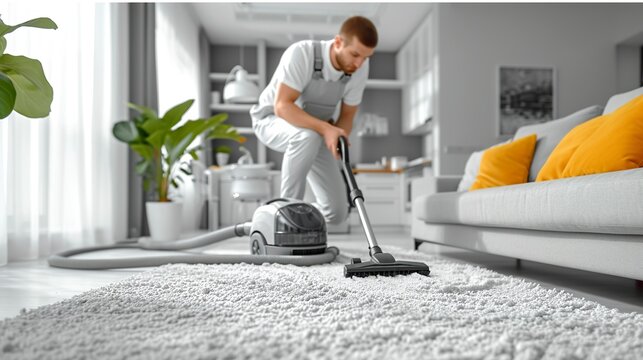
Routine vacuuming is one of the most important parts of carpet maintenance. It helps remove loose dirt, dust, hair, and debris before they become embedded in carpet fibers.
High-traffic areas may require more frequent vacuuming than offices or areas with limited foot traffic.
Common high-traffic locations include:
- Waiting rooms
- Main entrances
- Hallways
- Reception areas
- Public corridors
The appropriate vacuuming frequency should be based on facility traffic and carpet conditions.
2. Use Entrance Mats
A significant amount of outdoor dirt can enter a healthcare facility through entrances. Properly placed entrance mats can help capture some dirt and moisture before it reaches carpeted areas.
Mats should be routinely cleaned and maintained. During periods of heavy rain or other challenging weather conditions, additional attention may be necessary.
3. Address Spills Quickly
Spills and stains should be addressed as soon as practical. Prompt spot cleaning can help prevent some substances from becoming more difficult to remove.
Cleaning products should be appropriate for the carpet material and used according to manufacturer instructions.
Avoid using excessive moisture, which can create additional carpet maintenance problems.
4. Schedule Professional Carpet Cleaning
Routine vacuuming cannot remove all embedded soil. Periodic commercial carpet cleaning can provide deeper maintenance for carpeted healthcare areas.
Professional cleaning frequency depends on:
- Patient traffic
- Carpet type
- Soil levels
- Facility size
- Area usage
- Carpet condition
High-traffic waiting rooms may require more frequent professional cleaning than low-use administrative offices.
5. Focus on High-Traffic Areas
Not every carpeted area requires the same maintenance schedule.
A healthcare facility can divide carpeted spaces into categories based on traffic:
High traffic: entrances, waiting rooms, reception areas, and hallways.
Medium traffic: administrative offices and shared staff spaces.
Low traffic: private offices or areas with limited access.
This approach can help allocate carpet maintenance where it is most needed.
6. Follow Carpet Manufacturer Recommendations
Different carpet materials may have different cleaning and maintenance requirements.
Before selecting a cleaning method, consider:
- Carpet fiber
- Backing material
- Manufacturer recommendations
- Existing warranties
- Previous cleaning methods
Using an appropriate cleaning method can help protect the carpet and reduce the risk of damage.
7. Use Appropriate Cleaning Products
Cleaning products should be selected based on the carpet type and intended application. Follow product label directions and manufacturer recommendations.
In healthcare facilities, any cleaning or disinfection requirements should also follow the facility’s established environmental cleaning and infection-control procedures.
8. Avoid Excessive Moisture
Too much moisture can create drying problems and may contribute to odors or other carpet issues.
Professional carpet cleaners should use appropriate equipment and cleaning methods for the carpet and facility.
Adequate drying time and ventilation should also be considered when scheduling carpet cleaning.
9. Maintain Carpets Near Entrances
Carpet near entrances typically receives more dirt because of outdoor foot traffic.
Regular vacuuming, spot cleaning, entrance-mat maintenance, and periodic professional cleaning can help maintain these areas.
Keeping entrances clean can also contribute to a more professional appearance for patients and visitors.
10. Keep a Carpet Maintenance Schedule
A written maintenance schedule can help facility managers track routine and periodic carpet care.
A schedule may include:
- Daily or routine vacuuming
- Regular spot cleaning
- Periodic professional carpet cleaning
- Entrance mat maintenance
- Carpet inspections
- Documentation of completed services
The schedule should be adjusted based on facility traffic and carpet conditions.
11. Inspect Carpets Regularly
Regular inspections can help identify problems before they become more difficult to manage.
Look for:
- Stains
- Excessive wear
- Damaged carpet
- Loose edges
- Persistent odors
- Areas with heavy soil
Maintenance concerns should be reported according to the facility’s established procedures.
12. Coordinate Cleaning With Healthcare Operations
Carpet cleaning should be scheduled to minimize disruption to patients, employees, and daily healthcare operations.
Depending on the facility, professional carpet cleaning may be scheduled:
- After business hours
- During weekends
- During holidays
- During low-traffic periods
Allowing sufficient drying time is also important.
Carpet Care vs. Routine Janitorial Cleaning
Routine janitorial services may include regular vacuuming and spot cleaning, while professional carpet cleaning provides deeper periodic maintenance.
A complete carpet-care program can combine both:
Routine care → vacuuming, spot cleaning, and debris removal.
Periodic care → professional carpet cleaning and detailed maintenance.
This combination can help maintain carpet appearance and condition over time.
Professional Healthcare Carpet Cleaning in Houston, TX
Corporate Clean LLC provides professional commercial carpet cleaning and healthcare cleaning services in Houston, TX and surrounding areas.
Our services include:
- Commercial Cleaning
- Office Cleaning
- Industrial Cleaning
- Janitorial Services
- Floor Care & Maintenance
- Floor Stripping and Waxing
- Carpet Cleaning
- Healthcare Cleaning
- School Cleaning
We develop customized cleaning solutions based on facility size, traffic, flooring, operating hours, and specific maintenance requirements.
Frequently Asked Questions
How often should healthcare facility carpets be professionally cleaned?
There is no universal schedule. Frequency depends on traffic, carpet type, soil levels, facility usage, and carpet condition. High-traffic areas may require more frequent professional cleaning.
Is vacuuming enough for healthcare facility carpets?
Regular vacuuming is essential but may not remove all embedded soil. Periodic professional carpet cleaning can provide deeper maintenance.
What areas need the most carpet care?
Entrances, waiting rooms, reception areas, and hallways typically receive more foot traffic and may require additional attention.
Can carpet cleaning be performed during healthcare operating hours?
It depends on the facility and cleaning method. Many facilities schedule professional carpet cleaning during evenings, weekends, holidays, or other low-traffic periods.
Should healthcare facilities follow carpet manufacturer recommendations?
Yes. Manufacturer recommendations can help determine appropriate cleaning methods and products for specific carpet materials.
Final Thoughts
Effective carpet care in healthcare facilities requires more than occasional cleaning. Regular vacuuming, prompt spot cleaning, entrance-mat maintenance, professional carpet cleaning, and routine inspections can help maintain carpeted areas over time.
A customized carpet maintenance schedule allows healthcare facilities to focus additional attention on high-traffic areas while coordinating cleaning around patient care and daily operations.
If your healthcare facility needs professional commercial carpet cleaning in Houston, TX, Corporate Clean LLC can create a customized carpet-care solution based on your facility’s specific needs.