
Why Floor Maintenance Matters in Healthcare Facilities
Healthcare facility floors experience constant foot traffic from patients, visitors, healthcare professionals, and staff. Entrances, hallways, waiting rooms, offices, and other shared areas can quickly collect dirt, dust, spills, and debris.
Regular healthcare facility floor maintenance helps preserve the appearance and condition of flooring while supporting a clean, professional environment. For medical practices seeking commercial floor care in Houston, TX, a customized maintenance program can address flooring needs based on traffic, material, and facility requirements.
1. Helps Maintain a Professional Appearance
Clean and well-maintained floors contribute to the overall appearance of a healthcare facility. Patients and visitors often notice floors when entering reception areas, waiting rooms, and hallways.
Regular cleaning can help manage:
- Dirt and dust
- Spills
- Footprints
- Surface buildup
- Everyday debris
A consistent floor-care schedule helps keep high-visibility areas looking maintained.
2. Protects Flooring From Everyday Wear
Daily foot traffic can gradually affect commercial flooring. Dirt and debris can contribute to surface wear when allowed to accumulate.
Routine sweeping, dust mopping, vacuuming, and mopping can help remove debris before it contributes to unnecessary wear.
Periodic maintenance can provide additional care based on the flooring material and its condition.
3. Supports High-Traffic Areas
Healthcare facilities often have areas that receive considerably more traffic than others.
High-traffic locations may include:
- Main entrances
- Reception areas
- Waiting rooms
- Hallways
- Elevators
- Restrooms
- Staff corridors
These areas may require more frequent cleaning and periodic maintenance than low-traffic spaces.
4. Maintain VCT and Hard Floors
Many commercial and healthcare facilities use resilient flooring such as VCT. These floors can benefit from a structured maintenance program.
Depending on the flooring condition and facility requirements, services may include:
- Sweeping
- Dust mopping
- Damp mopping
- Machine cleaning
- Floor buffing
- VCT maintenance
- Floor stripping and waxing
The appropriate method should be selected based on flooring type and manufacturer recommendations.
5. Helps Maintain Carpeted Areas
Healthcare facilities may also have carpet in waiting rooms, offices, and administrative areas.
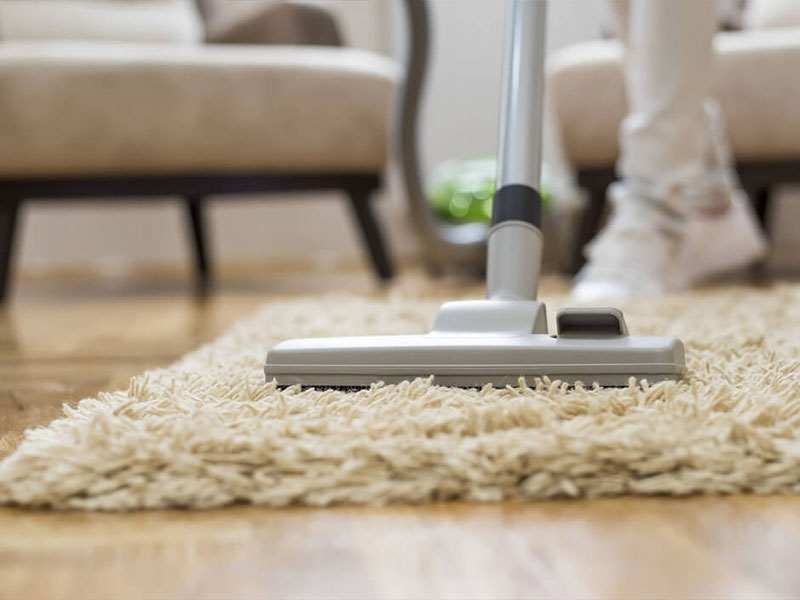
Routine vacuuming helps remove loose dirt and debris, while periodic commercial carpet cleaning can provide deeper maintenance.
Carpet-cleaning frequency should be based on traffic, carpet type, soil levels, and facility requirements.
6. Helps Address Spills Quickly
Spills can occur in busy healthcare environments. Promptly addressing spills can help reduce staining and prevent slippery conditions.
Cleaning teams should follow the facility’s established procedures for handling spills and cleaning different flooring materials.
7. Supports a Consistent Cleaning Program
Floor maintenance works best when it is part of a broader cleaning schedule rather than an occasional task.
A healthcare facility may establish:
Daily care: sweeping, vacuuming, mopping, and spot cleaning.
Periodic care: machine cleaning, buffing, carpet cleaning, or other appropriate floor maintenance.
Scheduled restoration: stripping and waxing or other specialized maintenance when required by the flooring.
The actual schedule should be customized according to facility use.
8. Consider Flooring Type
Different floors require different cleaning and maintenance methods. Before selecting a service, identify the materials throughout the facility.
Common flooring types may include:
- VCT
- Vinyl flooring
- Tile
- Ceramic surfaces
- Carpet
- Other resilient flooring
Using appropriate cleaning products, equipment, and methods can help protect the flooring.
9. Follow Healthcare Facility Procedures
Floor cleaning should be coordinated with the healthcare facility’s established environmental cleaning and infection-control procedures.
Where disinfection is required, appropriate products should be used according to label directions and facility-specific requirements.
Clinical areas and medical equipment should be handled according to applicable facility policies and manufacturer instructions.
10. Schedule Cleaning Around Facility Operations
Healthcare facilities may operate for extended hours, making scheduling an important consideration.
Floor maintenance can often be planned during:
- Evenings
- Weekends
- Holidays
- Low-traffic periods
- Scheduled maintenance windows
Proper scheduling can reduce disruption to patients and staff while allowing sufficient time for floors to dry when required.
11. Inspect Floors Regularly
Routine inspections can help identify flooring problems before they become more serious.
Look for:
- Stains
- Scratches
- Excessive wear
- Damaged flooring
- Loose edges
- Wax buildup
- Areas with heavy soil
Visible maintenance concerns should be reported according to the facility’s established procedures.
12. Use a Customized Floor Maintenance Plan
Not every healthcare facility requires the same floor-care schedule. A customized plan can consider:
- Facility size
- Flooring type
- Patient traffic
- Operating hours
- Number of entrances
- High-traffic areas
- Existing floor condition
- Maintenance priorities
A professional facility assessment can help determine the appropriate service frequency.
Professional Healthcare Floor Care in Houston, TX
Corporate Clean LLC provides professional healthcare and commercial floor care services in Houston, TX and surrounding areas.
Our services include:
- Commercial Cleaning
- Office Cleaning
- Industrial Cleaning
- Janitorial Services
- Floor Care & Maintenance
- Floor Stripping and Waxing
- Carpet Cleaning
- Healthcare Cleaning
- School Cleaning
We develop customized cleaning and floor-care solutions based on each facility’s flooring, traffic, schedule, and specific requirements.
Frequently Asked Questions
Why is floor maintenance important in healthcare facilities?
Regular floor maintenance helps manage dirt, debris, spills, and everyday wear while supporting the appearance and condition of commercial flooring.
How often should healthcare floors be cleaned?
Frequency depends on traffic, flooring type, facility size, operating hours, and specific requirements. High-traffic areas generally require more frequent attention.
Does healthcare floor care include floor stripping and waxing?
It can. VCT and other appropriate flooring may benefit from periodic stripping and waxing depending on condition, manufacturer recommendations, and facility requirements.
How can healthcare facilities protect their floors?
Regular cleaning, prompt spill response, entrance-mat maintenance, appropriate cleaning methods, and scheduled professional floor care can help maintain commercial flooring.
Can healthcare floor maintenance be customized?
Yes. A professional cleaning company can develop a schedule based on flooring materials, traffic levels, operating hours, and facility priorities.
Final Thoughts
Floor maintenance is an important part of healthcare facility upkeep. Regular cleaning and periodic professional floor care can help maintain the appearance and condition of entrances, waiting rooms, hallways, offices, and other shared spaces.
A customized maintenance program allows healthcare facilities to focus additional attention on high-traffic areas while coordinating floor care with daily operations.
If your healthcare facility needs professional floor care services in Houston, TX, Corporate Clean LLC can develop a customized maintenance solution based on your facility’s flooring and cleaning requirements.