
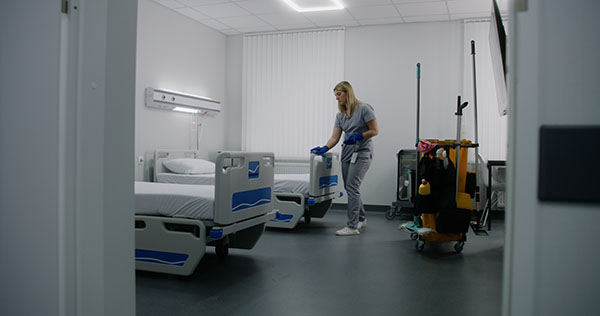
How to Maintain Clean Common Areas in Medical Facilities
Common areas are an important part of any medical facility. Waiting rooms, reception areas, hallways, restrooms, staff areas, and entrances are used throughout the day by patients, employees, and visitors. Maintaining these spaces with a consistent cleaning program can help create a clean, comfortable, and professional healthcare environment.
For medical practices looking for healthcare cleaning services in Houston, TX, a customized cleaning schedule can help address areas according to traffic, usage, and facility requirements.
1. Establish a Consistent Cleaning Schedule
Regular cleaning is the foundation of maintaining medical facility common areas. The schedule should reflect patient traffic, operating hours, facility size, and the type of spaces being maintained.
Depending on the facility, routine cleaning may include:
- Sweeping and mopping floors
- Vacuuming carpets
- Removing routine waste
- Cleaning restrooms
- Dusting accessible surfaces
- Cleaning appropriate high-touch environmental surfaces
High-traffic areas may require additional attention during the day.
2. Keep Waiting and Reception Areas Clean
Waiting rooms and reception areas create the first impression for patients and visitors. Regular cleaning can help maintain their appearance and comfort.
Cleaning tasks may include:
- Vacuuming carpets
- Cleaning hard floors
- Dusting accessible furniture
- Cleaning reception counters
- Emptying waste containers
- Cleaning appropriate frequently touched surfaces
The cleaning frequency should be adjusted according to patient volume.
3. Pay Attention to High-Touch Surfaces
Common areas contain many surfaces that people frequently touch, including:
- Door handles
- Light switches
- Handrails
- Faucet handles
- Reception counters
- Shared surfaces
Routine cleaning helps remove dirt and residue. Where disinfection is required, appropriate products should be used according to label directions and the facility’s established procedures.
4. Maintain Medical Facility Restrooms
Restrooms require consistent attention because they are shared by patients, visitors, and staff.
Routine restroom cleaning may include:
- Toilets
- Sinks
- Countertops
- Mirrors
- Floors
- Waste containers
- Appropriate frequently touched surfaces
Restroom checks can be scheduled more frequently in high-traffic facilities.
5. Maintain Floors and Carpets
Floors receive constant traffic in medical facilities and can accumulate dirt and debris.
Routine floor care may include sweeping, vacuuming, mopping, and spot cleaning. Depending on the flooring material, periodic services such as VCT floor maintenance, floor buffing, or floor stripping and waxing may also be appropriate.
Carpeted waiting rooms and hallways may require routine vacuuming and periodic commercial carpet cleaning based on traffic and carpet condition.
6. Keep Hallways and Entrances Clean
Hallways connect different areas of a medical facility and often experience significant foot traffic. Entrances can also collect dirt from outside.
Regular cleaning of these areas can help maintain the facility’s overall appearance.
Special attention may be needed around:
- Main entrances
- Hallways
- Doorways
- Stairways
- Elevators
- Waiting areas
7. Maintain Staff Common Areas
Break rooms, staff lounges, and other employee areas should also be included in the cleaning schedule.
Tasks may include cleaning:
- Tables
- Countertops
- Sinks
- Floors
- Waste containers
- Accessible surfaces
Keeping staff areas maintained contributes to the overall cleanliness of the facility.
8. Use Area-Specific Cleaning Procedures
Not every area should be cleaned in exactly the same way. A medical facility may contain administrative spaces, public areas, staff areas, and clinical environments with different requirements.
Cleaning teams should follow the facility’s established procedures for each designated area.
Clinical areas and medical equipment should be handled according to the healthcare organization’s infection-control policies and applicable manufacturer instructions.
9. Schedule Periodic Deep Cleaning
Routine cleaning handles everyday maintenance, but some areas may benefit from periodic detailed cleaning.
Depending on the facility, periodic services may include:
- Detailed restroom cleaning
- Baseboard cleaning
- Carpet cleaning
- Floor maintenance
- Detailed common-area cleaning
- Additional attention to difficult-to-reach areas
The frequency should be based on facility usage and specific maintenance needs.
10. Monitor Cleaning Quality
A cleaning schedule is more effective when service quality is regularly monitored.
Quality-control methods can include:
- Cleaning checklists
- Supervisor inspections
- Routine service reviews
- Customer feedback
- Corrective-action procedures
If a cleaning issue is identified, it should be communicated and addressed according to the service agreement.
11. Coordinate Cleaning With Facility Operations
Medical facilities may operate for long hours, making scheduling important. Cleaning should be coordinated to minimize unnecessary disruption to patients and staff.
Depending on the facility, cleaning may be scheduled:
- Before opening
- After closing
- During designated periods
- At recurring intervals throughout the day
A flexible schedule can help maintain common areas while supporting normal facility operations.
12. Create a Customized Cleaning Plan
The most effective cleaning program is based on the actual facility rather than a generic checklist.
A professional cleaning provider can evaluate:
- Facility size
- Patient traffic
- Number of restrooms
- Flooring
- Carpeted areas
- Operating hours
- Common-area usage
- Specific cleaning priorities
This information can be used to develop a practical cleaning schedule.
Professional Medical Facility Cleaning in Houston, TX
Corporate Clean LLC provides professional healthcare and commercial cleaning services in Houston, TX and surrounding areas.
Our services include:
- Commercial Cleaning
- Office Cleaning
- Industrial Cleaning
- Janitorial Services
- Floor Care & Maintenance
- Floor Stripping and Waxing
- Carpet Cleaning
- Healthcare Cleaning
- School Cleaning
We take the time to understand each facility’s schedule, traffic, cleaning priorities, and specific requirements before developing a customized cleaning solution.
Frequently Asked Questions
How often should medical facility common areas be cleaned?
Cleaning frequency depends on patient traffic, facility size, operating hours, and the type of area. High-traffic common areas may require daily or more frequent attention.
What common areas require regular cleaning?
Waiting rooms, reception areas, hallways, entrances, restrooms, staff areas, and other shared spaces should be included in an appropriate cleaning program.
Does common-area cleaning include disinfection?
Routine cleaning and disinfection are different processes. Where disinfection is required, appropriate products and the facility’s established procedures should be followed.
Should medical facility cleaning be customized?
Yes. A customized program can account for patient traffic, operating hours, flooring, facility layout, restrooms, and specific cleaning requirements.
Final Thoughts
Maintaining clean common areas is an important part of medical facility maintenance. Consistent cleaning can help manage everyday dirt and debris while supporting the appearance and upkeep of waiting rooms, reception areas, restrooms, hallways, entrances, and staff spaces.
For medical practices in Houston, TX, a customized professional cleaning program can help maintain common areas according to the facility’s usage and established requirements.
If you need reliable healthcare cleaning services in Houston, TX, Corporate Clean LLC can develop a customized cleaning solution for your medical facility.