
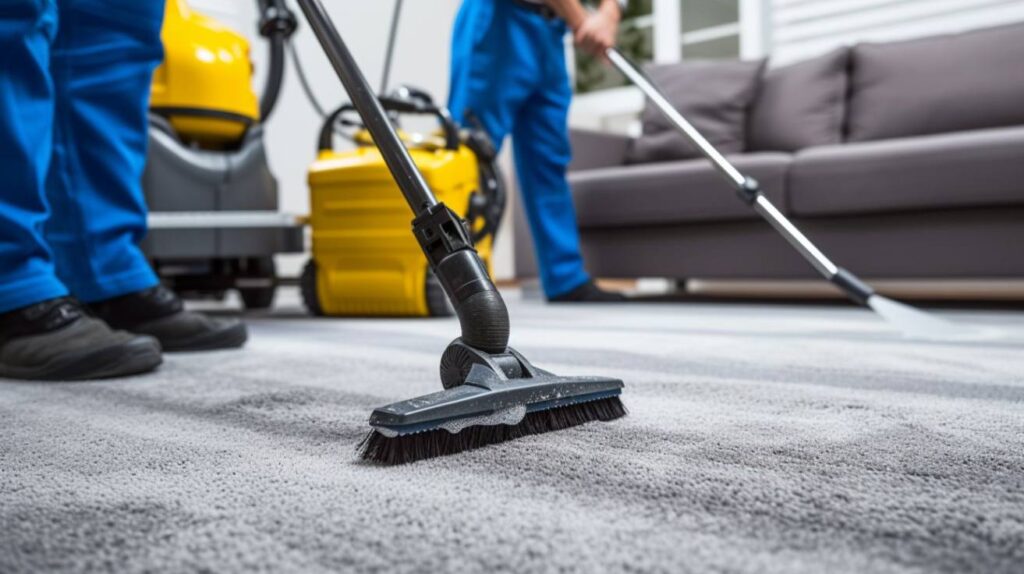
How to Inspect Commercial Carpets for Cleaning Needs
Commercial carpets experience daily foot traffic from employees, customers, visitors, and staff. Over time, dirt, dust, spills, stains, and general wear can accumulate and affect the carpet’s appearance and condition. Regular commercial carpet inspections can help businesses identify cleaning needs before carpets become heavily soiled.
A proper inspection can also help facility managers create a more effective commercial carpet cleaning schedule based on actual conditions rather than relying only on a fixed timetable.
1. Check High-Traffic Areas First
Begin the inspection in areas that receive the most foot traffic. These areas often show signs of soil and wear before less-used spaces.
Pay attention to:
- Main entrances
- Reception areas
- Hallways
- Waiting rooms
- Conference rooms
- Break rooms
- Employee walkways
High-traffic areas may require more frequent vacuuming and professional cleaning.
2. Look for Visible Dirt and Soil
Inspect the carpet under normal lighting conditions for visible dirt, dust, and soil buildup. Dark or heavily soiled areas may indicate that routine vacuuming is not adequately addressing the carpet’s maintenance needs.
Check corners, edges, and areas around furniture where dirt may accumulate.
3. Identify Carpet Stains
Look for spots caused by coffee, food, beverages, mud, grease, and other substances.
Document recurring or difficult stains so the cleaning team can determine whether spot treatment or professional carpet cleaning is appropriate.
4. Check for Carpet Odors
Unpleasant odors can sometimes indicate accumulated soil, spills, moisture, or another underlying issue.
If an odor persists after routine cleaning, investigate whether the source may involve carpet padding, moisture, plumbing, ventilation, or another building condition.
5. Inspect for Worn Traffic Lanes
High-traffic areas may develop visible wear patterns over time. Compare heavily used sections with lower-traffic areas to identify differences in appearance and carpet condition.
Worn areas may require more frequent maintenance or further evaluation.
6. Check for Moisture
Moisture can create carpet-care challenges. Look for damp areas, recent spills, water intrusion, or signs of recurring moisture.
If carpet repeatedly becomes damp, the underlying source should be investigated and addressed rather than relying only on additional carpet cleaning.
7. Inspect Carpet Edges and Seams
Check carpet edges, transitions, seams, and areas around doors for visible damage or separation.
Cleaning may not resolve physical carpet damage, so maintenance concerns should be reported to the appropriate facility personnel.
8. Check Areas Around Furniture
Furniture can hide soil and debris. During inspections, look at accessible carpet around desks, chairs, tables, cabinets, and other furniture.
Moveable furniture can be repositioned periodically according to facility procedures to allow more complete cleaning.
9. Evaluate Entrance Areas and Mats
Entrances are often the first areas to show heavy soil because outdoor dirt and moisture can be carried inside.
Inspect:
- Entrance carpet
- Floor mats
- Mat edges
- Areas directly beyond entrances
- High-traffic pathways
Regular mat cleaning and maintenance can help reduce soil reaching commercial carpets.
10. Review the Existing Cleaning Schedule
Compare inspection findings with the current carpet maintenance schedule.
If high-traffic areas consistently appear heavily soiled before the next scheduled service, the business may need to increase vacuuming or professional cleaning frequency in those areas.
11. Document Cleaning Needs
Keeping inspection records can help businesses track recurring problems.
Record:
- Location
- Type of soil or stain
- Carpet condition
- Traffic level
- Required cleaning
- Date of inspection
- Recommended follow-up
Documentation can make it easier to plan future maintenance.
12. Know When Professional Cleaning Is Needed
Routine vacuuming and spot cleaning may not be enough for heavily soiled carpets. Consider professional commercial carpet cleaning when carpets show widespread soil, persistent stains, noticeable odors, or significant traffic-lane buildup.
Professional cleaning methods should be selected according to the carpet type and manufacturer’s recommendations.
Create a Preventive Carpet Maintenance Program
Regular inspections work best when combined with a preventive maintenance program that includes:
- Routine vacuuming
- Prompt spot cleaning
- Entrance-mat maintenance
- Regular inspections
- Periodic professional carpet cleaning
- Proper moisture management
The ideal frequency depends on facility size, carpet type, traffic levels, operating hours, and carpet condition.
Professional Commercial Carpet Cleaning in Houston, TX
Regular carpet inspections help businesses identify cleaning needs and adjust maintenance schedules based on actual conditions.
Corporate Clean LLC provides professional commercial carpet cleaning services in Houston, TX and surrounding areas. We create customized carpet-care programs based on carpet type, facility size, traffic levels, operating hours, and specific maintenance requirements.
Our services include:
- Commercial Carpet Cleaning
- Office Cleaning
- Commercial Cleaning
- Janitorial Services
- Floor Care & Maintenance
- Floor Stripping and Waxing
- Healthcare Cleaning
- School Cleaning
Frequently Asked Questions
How often should commercial carpets be inspected?
Inspection frequency depends on traffic and facility usage. High-traffic buildings may benefit from more frequent inspections than low-traffic offices.
What should I look for during a carpet inspection?
Check for visible soil, stains, odors, moisture, worn traffic lanes, carpet damage, and areas that appear to require additional cleaning.
Do all dirty carpets need professional cleaning?
Not necessarily. Some isolated spots can be handled through appropriate spot cleaning. Heavily soiled or widespread carpet conditions may require professional cleaning.
Why are entrance areas important during carpet inspections?
Entrances typically receive heavy traffic and can introduce outdoor dirt and moisture into the building, making them common areas for soil buildup.
Can carpet inspections help reduce maintenance costs?
Regular inspections can help businesses identify cleaning needs early and adjust cleaning frequency based on actual conditions. However, costs vary by facility, carpet type, traffic, and required services.
Final Thoughts
Knowing how to inspect commercial carpets for cleaning needs can help businesses maintain their flooring more effectively. Checking high-traffic areas, stains, odors, moisture, wear patterns, entrances, and carpet damage provides useful information for creating an appropriate maintenance schedule.
For reliable commercial carpet cleaning in Houston, TX, Corporate Clean LLC can develop a customized carpet-care plan based on your facility’s specific needs.